
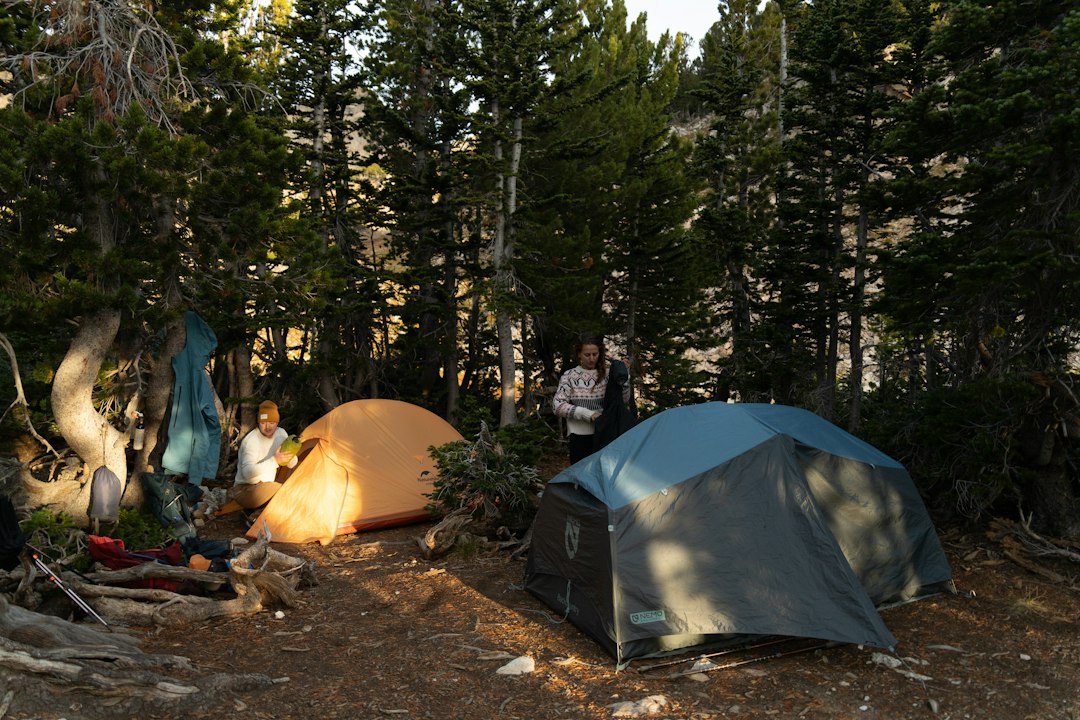
Packing for a camping trip can often feel overwhelming, especially when you want to ensure you have everything you need without overloading your backpack. The key to a successful camping experience lies in packing light and smart. By focusing on essential items and utilizing efficient packing techniques, you can enjoy the great outdoors without the burden of excess weight. This guide will walk you through the steps to achieve a well-organized and manageable packing strategy.
Before you start throwing items into your backpack, take a moment to assess your camping needs. Consider the duration of your trip, the weather conditions, and the activities you plan to engage in. For instance, if you are going for a weekend trip in mild weather, your packing list will differ significantly from a week-long expedition in colder climates. Make a checklist of essential items tailored to your specific adventure, ensuring you don’t overlook any crucial gear.
Additionally, think about the type of camping you will be doing. Are you car camping, where you can bring more gear, or are you backpacking, which requires a more minimalist approach? Understanding your camping style will help you prioritize what to pack. This step is crucial as it sets the foundation for a successful packing strategy.
When it comes to camping gear, quality and versatility are paramount. Invest in lightweight, multi-functional equipment that can serve multiple purposes. For example, a sleeping bag that can also be used as a blanket or a cooking pot that doubles as a bowl can save space and weight in your pack. Look for gear made from durable materials that can withstand the rigors of outdoor use while remaining lightweight.
Don’t forget to consider the size and weight of each item. Every ounce counts when you’re hiking, so opt for compact gear that won’t take up too much space. Research brands that specialize in lightweight camping gear, such as those found on wildernessmiracles.com, to find products that meet your needs without compromising on quality.
Once you have your gear selected, it’s time to pack efficiently. Start by rolling your clothes instead of folding them; this method not only saves space but also minimizes wrinkles. Use packing cubes or compression bags to organize your items and make it easier to find what you need without unpacking your entire bag. Place heavier items at the bottom of your backpack to maintain balance and prevent strain on your back.
Another effective technique is to utilize every available space in your pack. Stuff small items like socks and toiletries inside your shoes or fill empty spaces with lightweight gear. This not only maximizes space but also helps keep your pack organized. Remember, the goal is to create a system that allows you to access your essentials quickly while keeping everything secure during your hike.
Food and water are critical components of any camping trip, but they can also add significant weight to your pack. Plan your meals ahead of time and choose lightweight, high-calorie foods that are easy to prepare. Dehydrated meals, energy bars, and trail mix are excellent options that provide the necessary nutrition without the bulk. Consider bringing a portable stove or a compact cooking system that allows you to prepare meals efficiently.
Water is another essential item that requires careful planning. If you’re camping in an area with access to clean water sources, consider bringing a lightweight water filter or purification tablets. This way, you can refill your water supply without carrying excessive amounts from the start. Always ensure you have enough water for your trip, but find ways to minimize the weight by utilizing available resources.
Step 1: Assess your camping needs based on trip duration and activities. Step 2: Choose lightweight, multi-functional gear that meets your requirements. Step 3: Pack efficiently using rolling techniques and packing cubes. Step 4: Prioritize food and water, opting for lightweight options and utilizing local resources.