Camping is an exhilarating way to connect with nature, but it also requires proper maintenance of your gear to ensure safety and longevity. Wildernessmiracles.com offers a wide range of camping gear products, and understanding how to care for them can enhance your outdoor experience. In this article, we will explore best practices for maintaining your camping equipment, ensuring that every adventure is enjoyable and worry-free.
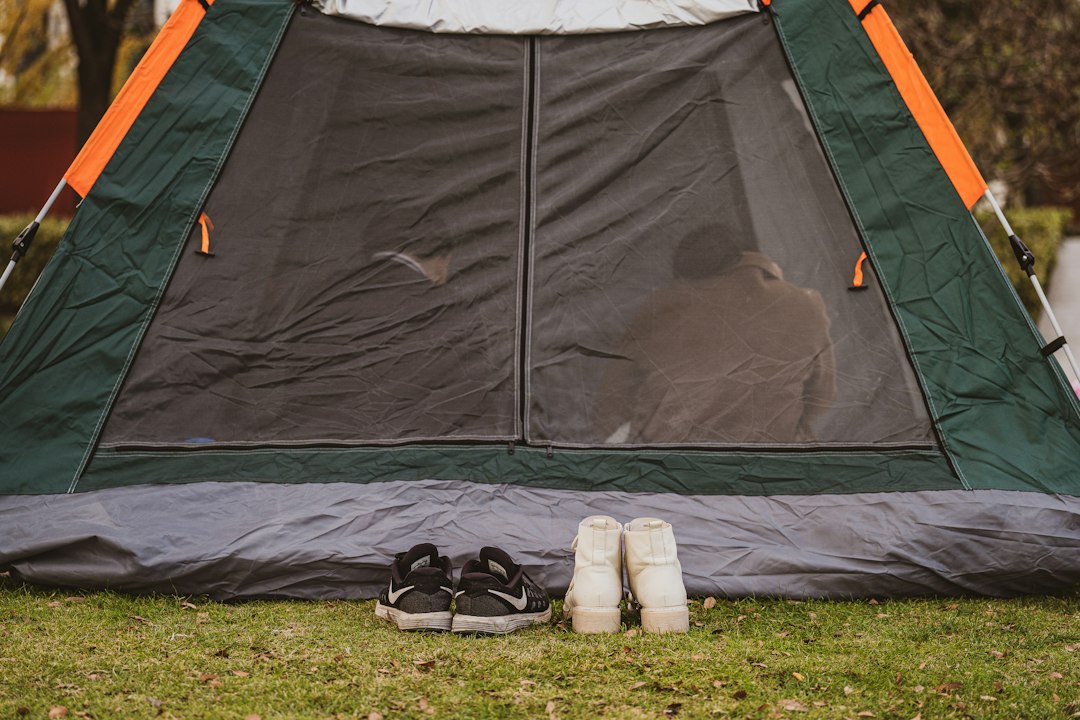
One of the most crucial aspects of maintaining your camping gear is regular cleaning. Dirt, mud, and moisture can accumulate on equipment, leading to deterioration over time. For instance, tents should be cleaned after each trip to remove any debris and prevent mold growth. Use a gentle soap and water solution, and avoid harsh chemicals that can damage the fabric. After cleaning, ensure that the gear is completely dry before storing it to prevent mildew.
Additionally, cleaning your gear regularly helps you identify any wear and tear that may need attention. For example, zippers can become stuck or damaged, and seams may need resealing. By addressing these issues promptly, you can extend the life of your equipment and avoid costly replacements. Regular maintenance not only keeps your gear in top shape but also enhances your safety while camping.
How you store your camping gear can significantly affect its longevity. It is essential to store items in a cool, dry place away from direct sunlight. For instance, tents should be stored loosely in a breathable bag rather than tightly packed, which can cause creasing and damage to the fabric. Similarly, sleeping bags should be stored in a way that allows them to retain their loft, such as in a large cotton sack.
Moreover, keeping your gear organized can save you time and frustration during your next trip. Consider using labeled bins or bags for different types of equipment, such as cooking gear, sleeping gear, and personal items. This organization not only helps in maintaining your gear but also ensures that you have everything you need for a successful camping experience.
Regular inspections of your camping gear are vital for identifying potential issues before they become significant problems. Before each trip, take the time to check your equipment for any signs of damage, such as tears in the tent fabric or frayed straps on backpacks. Addressing these issues early can prevent them from worsening and ensure your safety while camping.
Additionally, consider keeping a maintenance log for your gear. This log can include dates of inspections, cleaning, and any repairs made. By tracking this information, you can better understand the lifespan of your equipment and anticipate when it may need replacement. This proactive approach can save you money in the long run and enhance your camping experience.
Each piece of camping gear comes with specific manufacturer guidelines for care and maintenance. It is essential to familiarize yourself with these instructions to ensure that you are using and maintaining your equipment correctly. For example, some sleeping bags may require special washing instructions, while others may need to be air-dried rather than machine-dried.
Following these guidelines not only helps in maintaining the integrity of your gear but also ensures that any warranties remain valid. If you are unsure about the care instructions for a particular item, do not hesitate to reach out to the manufacturer or consult their website for detailed information. Understanding and adhering to these guidelines can significantly extend the life of your camping gear.
While it may be tempting to purchase cheaper camping gear, investing in high-quality products can pay off in the long run. Quality gear is often designed with durability in mind, meaning it can withstand the rigors of outdoor use better than lower-quality alternatives. For instance, high-quality tents and sleeping bags are typically made from better materials that resist wear and tear.
Moreover, quality gear often comes with better warranties and customer support, providing peace of mind for your investment. According to recent market statistics, the outdoor recreation market has seen a significant increase, with consumers spending over $887 billion in 2020 alone. Key Insight: This trend indicates a growing appreciation for quality outdoor gear, emphasizing the importance of investing in durable products for long-term use.